7 Ways Mobile Facilities Management Will Save Your Company Money
In today's competitive environment, organisations are under constant pressure to reduce costs while maintaining high operational standards. Whether you're managing schools, universities, or commercial facilities, efficient maintenance plays a critical role in controlling expenses.
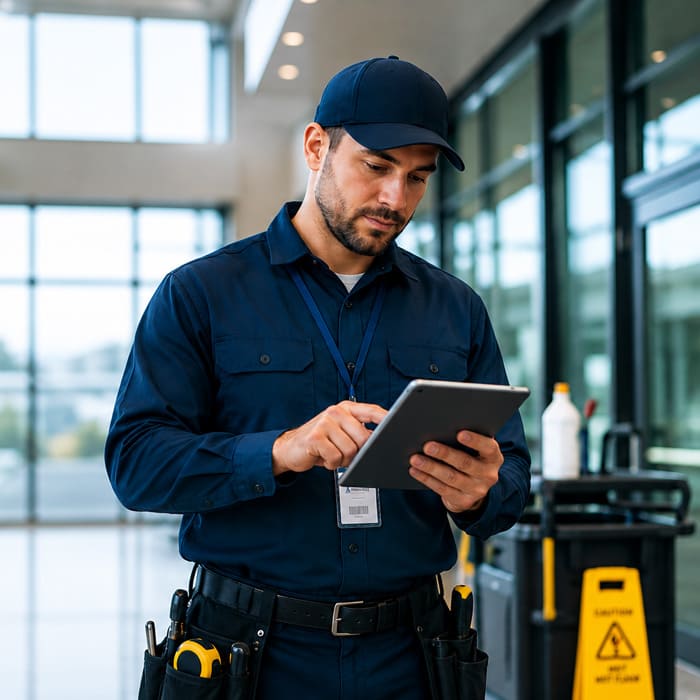
Mobile facilities management—powered by a modern CMMS—enables teams to manage maintenance operations on the go. By giving staff real-time access to work orders, asset data, and maintenance records, businesses can significantly improve efficiency and reduce costs.
Here are seven key ways mobile facilities management can save your organisation money.
- Reduced Downtime and Faster Repairs
When maintenance teams can receive and respond to requests instantly via mobile devices, issues are addressed much faster. This reduces downtime for critical assets such as HVAC systems, electrical equipment, or IT infrastructure.
Faster repairs mean:
- Less disruption to operations
- Lower productivity losses
- Reduced risk of costly breakdowns
- Lower Administrative Costs
Traditional maintenance processes often involve paperwork, manual data entry, and constant back-and-forth communication. Mobile facilities management eliminates these inefficiencies.
Technicians can:
- Update work orders instantly
- Capture data on-site
- Close tasks without returning to the office
This reduces administrative workload, saving both time and labour costs.
- Improved Preventive Maintenance
Reactive maintenance is expensive. Emergency repairs and unexpected failures often cost significantly more than planned maintenance.
With mobile CMMS, teams can:
- Schedule preventive maintenance tasks
- Receive reminders and alerts
- Complete inspections on-site
By addressing issues early, businesses can avoid major repairs and extend the life of assets.
- Better Asset Management and Longer Asset Life
Mobile access allows teams to view complete asset histories, service records, and warranties while on-site. This leads to better-informed maintenance decisions.
Benefits include:
- Increased asset lifespan
- Fewer replacements
- Better utilisation of existing equipment
Over time, this significantly reduces capital expenditure on new assets.
- Increased Workforce Productivity
Mobile facilities management empowers technicians to work more efficiently:
- No need to travel back to the office
- Real-time job updates
- Faster task completion
With more jobs completed per day, organisations can reduce overtime and labour costs while improving service levels.
- Improved Compliance and Reduced Risk
Failure to meet compliance requirements can result in fines, legal costs, and reputational damage. Mobile CMMS ensures that all maintenance activities, inspections, and audits are properly documented.
Teams can:
- Complete digital inspections
- Capture photos and evidence
- Maintain audit-ready records
This reduces the risk of non-compliance and associated financial penalties.
- Minimised Costs from Communication Gaps
Poor communication often leads to duplicated work, missed tasks, and delayed responses—costing both time and money.
Mobile facilities management improves communication by:
- Providing real-time updates
- Centralising maintenance requests
- Keeping all stakeholders informed
This ensures that tasks are completed the first time efficiently, avoiding unnecessary rework and wasted resources.
Conclusion
Mobile facilities management is no longer just a convenience—it is a strategic tool for cost reduction and operational efficiency. By streamlining workflows, improving communication, and enabling real-time access to information, organisations can significantly lower maintenance costs while improving performance.
For schools, universities, and businesses managing complex facilities, adopting a mobile-enabled CMMS can lead to:
- Lower operational costs
- Improved productivity
- Better asset performance
- Enhanced compliance and safety
Asset Easy CMMS by Pinnacle Software provides powerful mobile capabilities, helping your team manage facilities efficiently from anywhere—saving time, reducing costs, and improving overall operational outcomes.