Intelligent Asset Management Software: Why Organisations Can No Longer Rely on Spreadsheets
Organisations invest significant resources in physical assets, from laptops and cameras to laboratory equipment, engineering tools and specialised production systems. Yet many still rely on manual spreadsheets to track these valuable resources.
The result is often a familiar set of challenges:
- Missing or misplaced equipment
- Duplicate asset purchases
- Poor asset utilisation
- Delayed maintenance
- Unclear ownership and accountability
- Time-consuming manual processes
- Compliance and audit difficulties
As organisations grow, asset tracking becomes increasingly complex. Equipment moves between departments, campuses, projects and users daily. Traditional spreadsheets simply cannot provide the real-time visibility, accountability and automation required to manage modern asset portfolios effectively.
This is where intelligent asset management software delivers a significant advantage.
What Is Intelligent Asset Management?
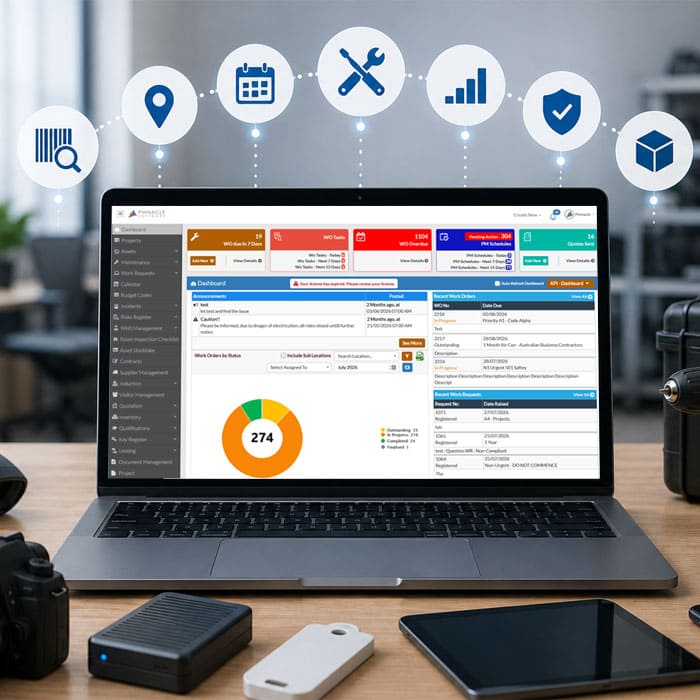
Intelligent Asset Management (IAM) combines asset tracking, automation, booking management, maintenance scheduling and reporting into a single centralised platform.
Rather than simply recording where equipment is stored, intelligent asset management software helps organisations manage the complete lifecycle of every asset, from procurement to retirement.
With a modern asset management platform, organisations can:
- Know exactly where assets are located
- Track who is using equipment
- Manage bookings and reservations
- Automate maintenance schedules
- Monitor utilisation rates
- Maintain complete audit histories
- Make better purchasing decisions
The result is improved operational efficiency, reduced equipment losses and greater return on asset investments.
Why Organisations Need Intelligent Asset Management
Many organisations underestimate the hidden costs of poor asset visibility.
Without a structured system, teams often spend valuable time searching for equipment, replacing assets that already exist, or managing maintenance issues that could have been prevented.
Common consequences include:
- Unnecessary capital expenditure
- Reduced staff productivity
- Increased equipment downtime
- Higher maintenance costs
- Poor compliance outcomes
- Limited reporting and forecasting capability
An intelligent asset management platform creates a single source of truth, giving every stakeholder confidence in the accuracy of asset data and equipment availability.
Why Universities and Creative Labs Need Smarter Asset Management
Educational institutions operate some of the most complex shared equipment environments.
Universities, colleges and research facilities often manage thousands of assets across multiple departments, including:
- Digital cameras
- Audio and video production equipment
- Scientific instruments
- Engineering tools
- VR and AR devices
- Computers and laptops
- 3D printers
- Medical simulation equipment
- Research laboratory assets
Students, lecturers, researchers and technicians frequently borrow and return equipment throughout the day.
Without proper controls, organisations often experience:
- Equipment losses
- Double bookings
- Missing accessories
- Delayed practical classes
- Reduced accountability
- Emergency replacement costs
Intelligent asset management software addresses these challenges through:
- QR-code asset tracking
- Digital check-in and check-out
- Equipment booking systems
- Automated notifications
- Asset reservation workflows
- Complete user activity history
This ensures valuable resources remain available when needed while improving accountability across the organisation.
Industry Applications of Intelligent Asset Management
Creative Agencies and Production Studios
Creative teams rely on high-value equipment such as cameras, lenses, lighting rigs, microphones and editing systems.
Asset management software helps production teams:
- Reserve equipment in advance
- Track equipment availability
- Monitor asset condition
- Report damage instantly
- Manage project-based allocations
This allows teams to focus on delivering projects rather than managing logistics.
Research Laboratories
Laboratories often manage expensive and highly specialised equipment that requires strict maintenance and calibration.
An intelligent asset management system helps organisations:
- Track laboratory instruments
- Monitor usage history
- Schedule calibration activities
- Maintain compliance records
- Improve equipment availability
Researchers gain greater visibility into available resources while reducing administrative overhead.
Engineering and Manufacturing
Manufacturers and engineering firms depend on tools, gauges, testing devices and production equipment for daily operations.
Intelligent asset management helps organisations:
- Schedule preventive maintenance
- Track calibration dates
- Reduce equipment downtime
- Improve utilisation
- Support compliance requirements
Better asset visibility leads to more reliable operations and reduced maintenance costs.
Healthcare
Healthcare providers require complete visibility of critical equipment to support patient care and compliance.
Common assets include:
- Medical devices
- Diagnostic systems
- Portable monitors
- Laboratory instruments
- Mobility equipment
Digital asset management ensures equipment can be located quickly while maintaining accurate maintenance and compliance records.
Government and Local Councils
Government agencies often manage assets across multiple facilities and geographic locations.
A centralised asset management platform provides:
- Improved accountability
- Centralised asset reporting
- Budget forecasting
- Maintenance scheduling
- Comprehensive audit trails
This supports better governance and informed budget planning.
Key Features of Intelligent Asset Management Software
Centralised Asset Register
Maintain a complete digital asset register that includes:
- Asset IDs
- Serial numbers
- Purchase information
- Warranty details
- Asset values
- Assigned users
- Current locations
- Maintenance history
A centralised register ensures accurate asset information is available whenever needed.
QR Code and Barcode Asset Tracking
QR-code asset management significantly reduces manual administration.
Staff can instantly:
- Check equipment in and out
- Update locations
- View asset information
- Report faults
- Verify ownership
- Review service history
This increases efficiency while improving data accuracy.
Equipment Booking and Reservation Management
Shared equipment can be reserved in advance through an integrated booking platform.
Users can quickly view:
- Current availability
- Future reservations
- Maintenance schedules
- Expected return dates
This prevents scheduling conflicts and improves resource planning.
Preventive Maintenance Management
Reactive maintenance is costly and disruptive.
Intelligent asset management software automatically schedules:
- Preventive servicing
- Calibration activities
- Safety inspections
- Warranty reminders
- Compliance assessments
Regular maintenance extends asset life and reduces unexpected failures.
Asset Lifecycle Management
Managing an asset from acquisition through to retirement is critical for maximising return on investment.
Lifecycle management capabilities include:
- Asset acquisition tracking
- Depreciation monitoring
- Maintenance history
- Asset transfers
- Replacement planning
- Asset disposal records
This provides complete visibility throughout the asset lifecycle.
Real-Time Reporting and Analytics
Modern dashboards provide actionable insights into:
- Asset utilisation
- Idle equipment
- High-demand assets
- Maintenance costs
- Departmental usage
- Replacement forecasting
These insights support smarter budgeting, procurement and strategic planning decisions.
Business Benefits of Intelligent Asset Management
Increased Equipment Availability
Staff spend less time searching for equipment and more time focusing on productive work.
Better Asset Utilisation
Identify underused assets before investing in additional equipment.
Reduced Equipment Loss
Digital tracking and accountability dramatically reduce misplaced or lost assets.
Lower Operating Costs
Reduce unnecessary purchases, emergency repairs and manual administration.
Stronger Compliance
Maintain complete records for maintenance, calibration, inspections and audits.
Improved Accountability
Every asset movement and transaction is recorded, creating clear ownership and responsibility.
Better Decision-Making
Reliable usage data enables more informed operational and investment decisions.
Implementing an Intelligent Asset Management System
Successful asset management extends beyond software deployment.
- Audit Existing Assets
Identify and verify all physical assets currently owned by the organisation.
- Standardise Asset Information
Create consistent naming conventions, categories and asset identification standards.
- Apply QR Code or Barcode Labels
Ensure every asset can be uniquely identified and tracked.
- Define User Roles and Permissions
Assign responsibilities for approvals, maintenance activities and reporting.
- Train Users
Provide simple workflows that encourage adoption and improve data quality.
- Continuously Review Performance
Use reporting tools to identify optimisation opportunities and improve asset utilisation over time.
Why Choose Pinnacle?
Pinnacle helps organisations modernise the way they manage physical assets through intelligent, scalable asset management solutions.
Our solutions are designed for:
- Universities and educational institutions
- Research laboratories
- Creative studios and production facilities
- Healthcare providers
- Government organisations
- Engineering and manufacturing businesses
With powerful capabilities including QR-code tracking, equipment booking, maintenance management, digital asset registers and real-time reporting, Pinnacle enables organisations to improve visibility, accountability and operational efficiency.
Whether you manage hundreds or tens of thousands of assets, our team can help tailor a solution that aligns with your operational requirements and growth objectives.
Ready to Improve Asset Visibility?
Managing assets shouldn't rely on outdated spreadsheets and manual processes.
Pinnacle's intelligent asset management software helps organisations reduce equipment loss, improve utilisation, automate maintenance and gain complete visibility across their asset portfolio.
Contact Pinnacle today to discover how a modern asset management solution can transform the way your organisation tracks and manages equipment.
Frequently Asked Questions
Intelligent asset management software is a digital platform that tracks, manages and optimises physical assets throughout their lifecycle using automation, real-time visibility, analytics and maintenance management tools.
Each asset is assigned a unique QR code that can be scanned using a mobile device. Users can instantly view asset information, update locations, check equipment in or out and report maintenance issues.
Yes. Universities benefit from improved equipment booking, asset visibility, accountability and maintenance management across shared resources such as cameras, laboratory equipment, laptops and specialist teaching tools.
Most physical assets can be tracked, including computers, cameras, laboratory instruments, medical devices, engineering equipment, tools, vehicles, AV equipment and specialised production assets.
Yes. Features such as QR-code tracking, user accountability, audit trails and digital check-in/check-out processes significantly reduce the risk of misplaced or lost equipment.
Yes. Intelligent platforms automate maintenance schedules, calibration reminders, inspections and service records to minimise downtime and extend equipment life.
Many modern solutions can integrate with finance, ERP, helpdesk and procurement systems, creating a more connected and efficient operational environment.
Unlike spreadsheets, intelligent asset management software provides real-time tracking, automated workflows, equipment reservations, maintenance scheduling, reporting and complete lifecycle management from a single platform.