How a CMMS Can Streamline Maintenance Operations for Built-to-Rent Housing Organisations
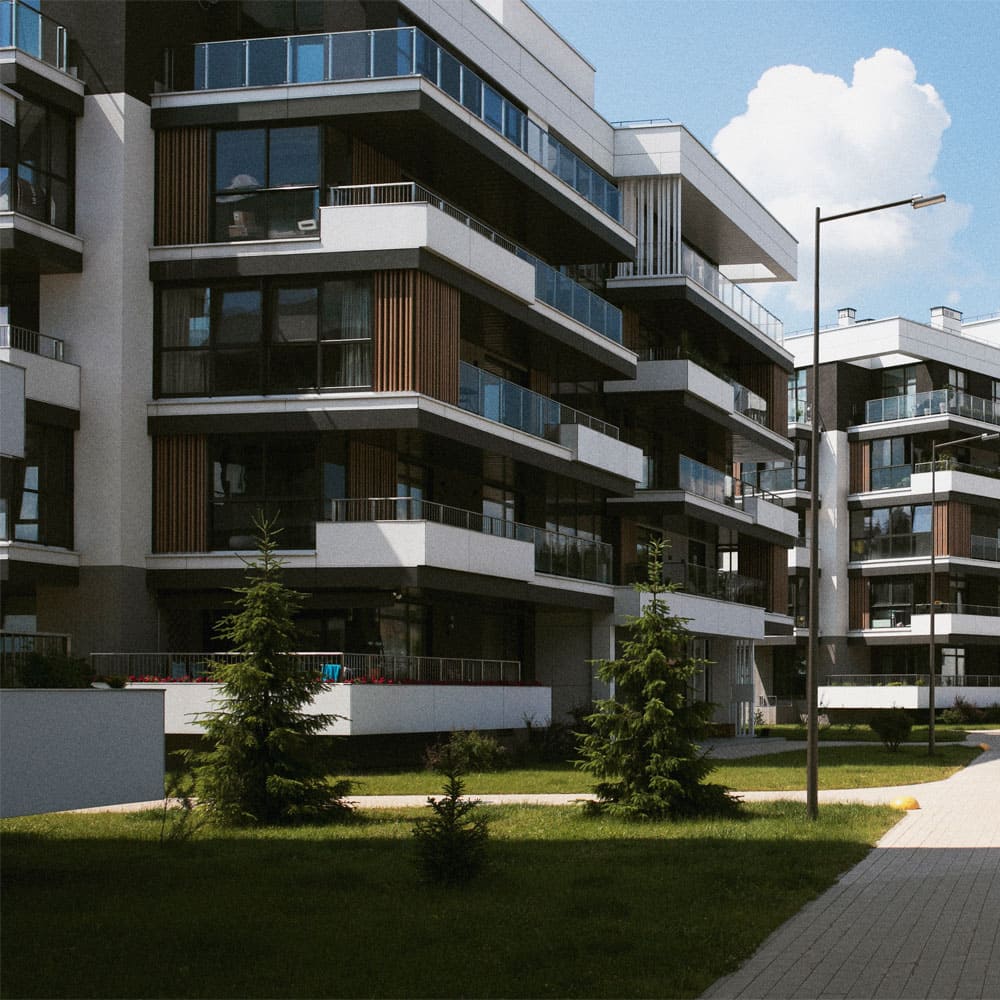
The built-to-rent (BTR) housing sector has grown rapidly across urban centres, catering to the increasing demand for professionally managed, high-quality rental properties. Unlike traditional landlords, BTR operators are responsible for the long-term upkeep of entire developments, offering tenants consistent service, safety, and quality of living. With multiple sites, a growing portfolio of units, and high tenant expectations, BTR organisations face a significant challenge: efficiently managing property maintenance, minimising downtime, and ensuring compliance—all while keeping operating costs under control.
This is where a Computerised Maintenance Management System (CMMS) comes into play. A CMMS is a powerful digital tool that helps property operators plan, track, and optimise maintenance activities. For built-to-rent housing organisations, it can be a game-changer in maintaining asset value, boosting operational efficiency, and enhancing the tenant experience.
- Centralised Maintenance Planning Across Multiple Sites
BTR housing developments often span several locations with hundreds or thousands of units. A CMMS provides a centralised platform for managing all maintenance tasks, from routine inspections to emergency repairs. This allows property managers and maintenance teams to fully see what's happening across the portfolio in real time.
Whether scheduling monthly HVAC inspections, logging work orders for plumbing issues, or checking fire safety compliance, the CMMS makes planning and tracking maintenance across multiple buildings and units easy. The result? Fewer surprises, less downtime, and better resource allocation.
- Enhanced Tenant Satisfaction Through Faster Response Times
Resolving maintenance issues quickly and effectively is a core component of tenant satisfaction in BTR housing. A CMMS allows tenants to submit maintenance requests through a guest portal or mobile app, instantly notifying the maintenance team. These requests can be categorised, prioritised, and assigned to available technicians or contractors, reducing delays and ensuring nothing falls through the cracks.
Additionally, the transparency that a CMMS offers, such as letting tenants track the status of their requests, builds trust and confidence, leading to better tenant retention and positive word-of-mouth.
- Preventive Maintenance for Long-Term Asset Protection
One key advantage of using a CMMS is its ability to manage preventive maintenance schedules. Instead of reactive repairs that often come with high costs and tenant inconvenience, BTR operators can proactively maintain critical systems such as lifts, HVAC units, smoke alarms, and water systems.
The CMMS automatically generates work orders for routine tasks based on time intervals or asset readings, helping reduce breakdowns and extending key asset life. Over time, this proactive approach leads to lower operational costs and increased property value.
- Compliance and Safety Management
Built-to-rent properties are subject to various regulatory standards, including building safety, fire compliance, and health regulations. Failing to meet these obligations can result in legal liability and reputational damage. A CMMS helps BTR operators stay compliant by tracking scheduled inspections, certification renewals, and safety audits.
The system keeps a digital log of all completed tasks and associated documentation, which can be easily accessed for audits or reporting. With automated reminders and compliance dashboards, property managers can stay ahead of potential risks and ensure a safe living environment for residents.
- Contractor Management and Mobile Accessibility
BTR organisations often rely on external contractors for specialised services. A modern CMMS allows contractors to receive, accept, and complete work orders through a mobile interface. This enables real-time updates from the field, reduces paperwork, and improves accountability.
BTR operators can ensure that third-party vendors meet their insurance, licensing, and compliance obligations through contractor portals before assigning work. This facilitates faster communication and performance monitoring, which is essential in a fast-paced housing environment.
- Inventory and Spare Parts Management
Having the right parts available at the right time can drastically reduce maintenance delays. A CMMS helps you manage inventory levels, reorder points, and storage locations for commonly used items such as light fixtures, air filters, or plumbing supplies.
Integrating inventory management with the work order process ensures that technicians are equipped before attending a job, saving time and improving first-time fix rates. Over time, this contributes to a more cost-effective and streamlined operation.
- Reporting, Analytics, and Strategic Insights
A CMMS provides detailed reporting and insights, from understanding which buildings require the most maintenance to identifying recurring issues across the portfolio. These analytics empower decision-makers to allocate budgets more effectively, optimise staffing, and justify capital expenditures.
Whether you're preparing internal reports or presenting to investors, having data on maintenance trends, response times, and asset performance enables evidence-based planning and enhances organisational transparency.
Conclusion
Built-to-rent housing organisations operate in a competitive, service-driven market where operational efficiency and tenant satisfaction are paramount. A CMMS offers a structured, scalable, and cost-effective solution for managing all aspects of maintenance, from planned schedules to emergency repairs.
By investing in a modern CMMS platform, BTR operators can protect their assets, streamline their workflows, ensure regulatory compliance, and deliver a higher quality living experience. In the long term, this translates to lower operating costs, reduced risk, and a stronger return on investment.